
Master Bathroom Toilet and Shower Clog Fixed in Dallas
29 de octubre de 2026 · Plumbing
Los artículos del blog todavía no están traducidos al español. Mientras tanto, se los mostramos en inglés.
A Master Bathroom Clog in Dallas That Reached the Shower
A homeowner in Dallas called us recently about a clog in their master bathroom. The trouble was most noticeable at the toilet, but it wasn't staying put. The homeowner had also noticed it affecting the shower.
That second detail matters a lot. A clog that shows up in one fixture is often a local problem. A clog that shows up in two fixtures in the same room is telling you something about the pipe they have in common.
What We Did: Camera First, Then a Branch Line Cleaning
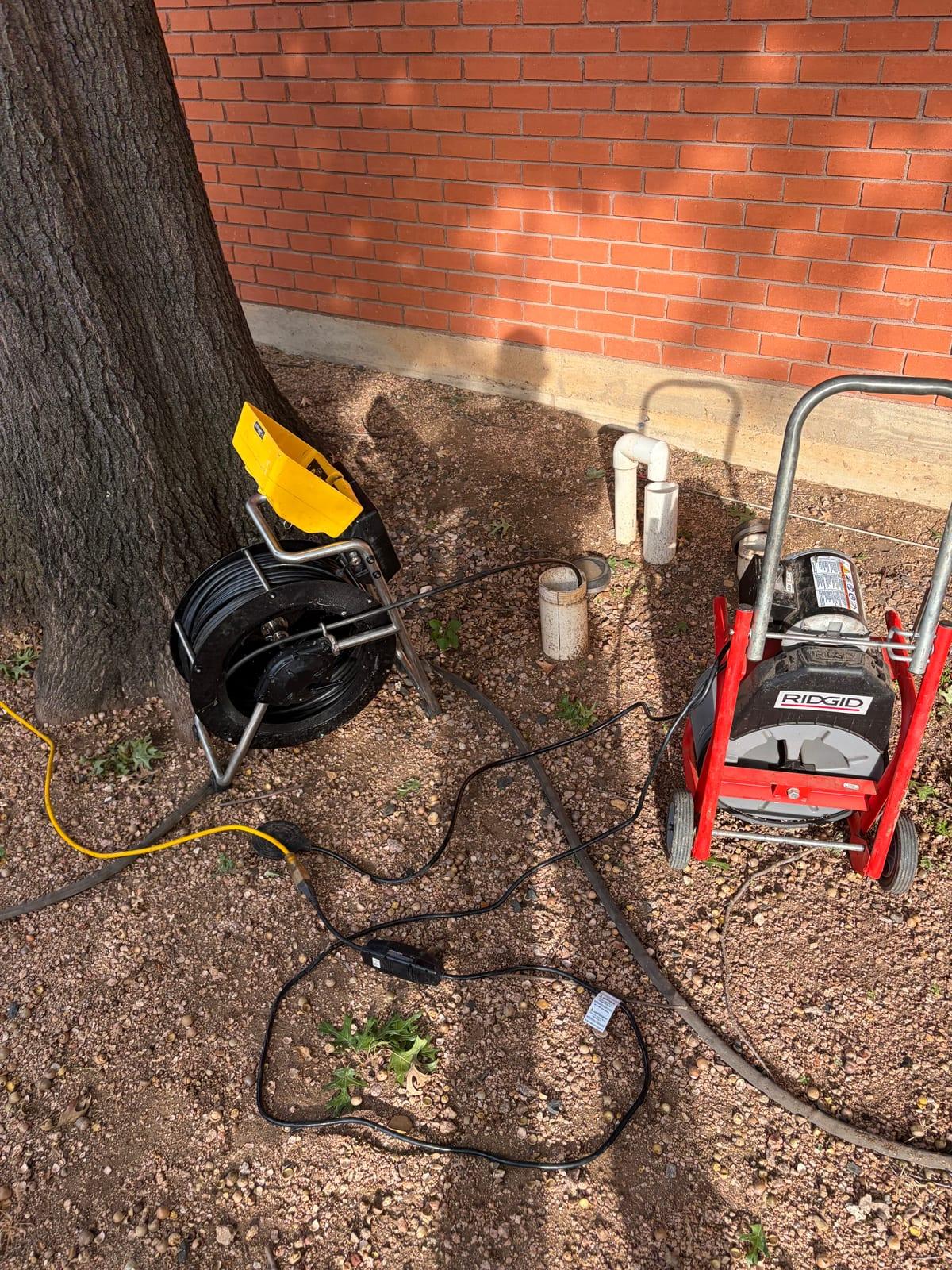
Rather than guess, we started with a camera inspection. The home already had cleanouts, which are capped access points built into the drain system. Using those existing openings, we fed a camera into the drain line so we could see inside the pipe instead of working blind.
A camera inspection does a few useful things. It shows where the blockage is, which line it's in, and what condition the pipe is in around it. That helps us choose the right fix instead of just poking at the toilet and hoping.
From there, we performed a branch line cleaning. A branch line is the drain pipe that carries waste from a group of fixtures, like a bathroom, over to the home's main drain. Clearing that branch line goes after the shared section of pipe the toilet and shower both depend on, which is why it's the right tool when more than one fixture in a room is acting up.
Using the existing cleanouts also kept the job cleaner and simpler. There was no need to pull the toilet or open up walls just to get access to the line.
- Camera inspection through the home's existing cleanouts
- Located the trouble in the drain line rather than guessing at the fixture
- Cleaned the branch line serving the master bathroom
Why a Clog in Two Fixtures Points to a Shared Drain Line
Every fixture in your home has its own short drain pipe, but those pipes don't run all the way to the street on their own. They tie into branch lines, and the branch lines tie into the main drain. In a typical bathroom, the toilet, shower and sinks often feed into the same branch.
When a blockage sits in that shared branch, water and waste from one fixture have nowhere to go. So they back up into whichever connected opening is easiest to reach. That's why flushing a toilet can make water rise in the shower drain, or why the shower drains slowly and the toilet gurgles.
Here's a simple way to read the clues:
- One fixture clogged, everything else fine: likely a local clog in that fixture's trap or short drain.
- Several fixtures in one bathroom acting up: likely a branch line problem.
- Fixtures in multiple bathrooms, or the lowest drains in the house backing up: possibly the main drain or sewer line.
This is general guidance, not a guarantee. Plumbing layouts vary from home to home, which is exactly why a camera inspection is so helpful. It replaces the guesswork with a look at the actual pipe.
Warning Signs of a Branch Line Clog
Branch line clogs often build slowly. You might notice small things for weeks before a full backup. Watch for these signs:
- Gurgling from the toilet when the shower or sink drains
- Water rising in the shower or tub when you flush
- Slow draining in more than one fixture in the same bathroom
- A toilet that keeps clogging even after it's been cleared
- Sewer odors coming from bathroom drains
If you're seeing two or more of these in the same room, it's worth having the line looked at before it turns into an overflow.
What Homeowners Can Safely Try (and What to Skip)
For a simple toilet clog, a good flange plunger is a reasonable first step. Plunge with steady, firm strokes and give it a fair try. If the toilet clears and nothing else in the bathroom is affected, you may be done.
Things are different when more than one fixture is involved. Plunging the toilet can push water toward the shower drain, and the blockage may be too far down the line for a plunger to reach. A few tips:
- Check other fixtures. Run the sink and shower briefly and see if they drain normally. This tells you whether the problem is local or shared.
- Stop using the affected bathroom if water is rising in other drains, so you don't cause an overflow.
- Skip chemical drain cleaners. They often don't reach branch line clogs, can be hard on pipes, and create a hazard for anyone who works on the drain afterward.
- Avoid renting a heavy drain machine unless you're experienced. It's easy to damage a toilet, a fixture or the pipe itself.
If a basic plunge doesn't solve it, or the shower and toilet are both involved, that's the point to call for drain cleaning rather than keep pushing on it.
How to Help Prevent Bathroom Drain Line Clogs
Most branch line clogs come from what goes down the drains over time. A few habits go a long way:
- Only flush toilet paper. "Flushable" wipes, paper towels, cotton swabs and hygiene products don't break down well.
- Use a hair catcher on the shower drain and clean it regularly.
- Go easy on thick toilet paper and avoid flushing large amounts at once.
- Pay attention to slow drains early. A slow drain is often a partial clog in progress.
- Consider a periodic camera check if your home has a history of repeat clogs. For heavy buildup, hydro jetting can scour the inside of the pipe more thoroughly than a standard cleaning.
What Affects the Cost of Clearing a Shared Drain Line
We don't quote prices without seeing the job, but these are the main things that shape what a drain repair involves:
- Access: Homes with existing cleanouts are usually easier to work on than homes where access has to be created.
- Location of the clog: A clog in a branch line is a different job than one in the main drain or sewer line.
- Whether a camera inspection is needed: It adds a step but can save money by pointing to the right fix the first time.
- Pipe condition: Damaged, sagging or heavily built-up pipe may need more than a cleaning.
- Repeat problems: A line that keeps clogging may need a deeper cleaning or a repair rather than another quick clear.
When to Call a Plumber
If your toilet won't clear with a basic plunge, or the clog is showing up in your shower or sink too, it's time to bring in a professional. A clog that touches more than one fixture usually lives in a shared line, and getting to it the right way protects your pipes and your floors.
Call Sailor's Air & Plumbing at (940) 290-3800. We'll take a look, explain what we find in plain terms, and recommend the fix that fits your home.
¿Quiere que un profesional lo revise?
Reserve en línea en más o menos un minuto, o llame y platíquelo con alguien de aquí.